Custom On-Demand Fabric Printing: Revolutionizing Textile Design in India

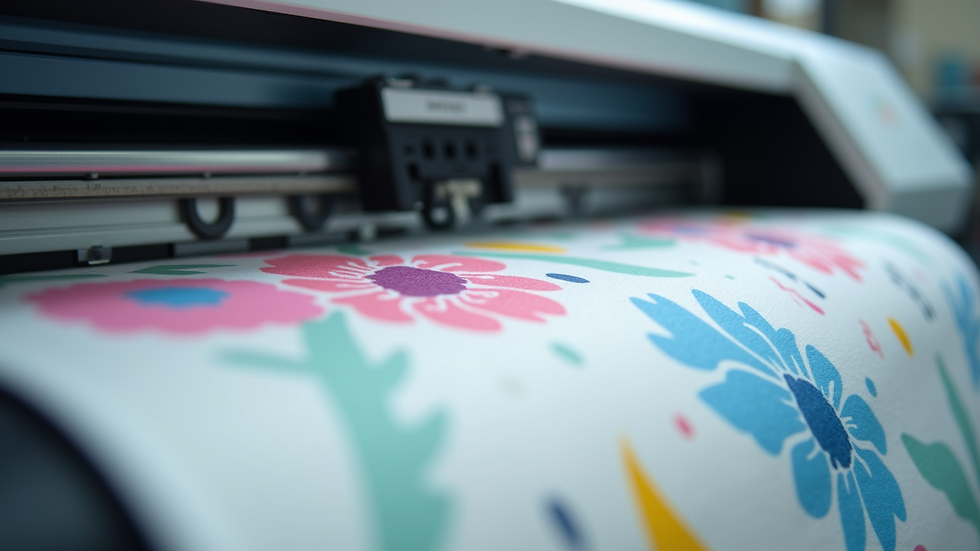
Fabric printing has evolved significantly over the past decade, especially with the rise of digital technology. Today, custom on-demand fabric printing offers a flexible, efficient, and sustainable solution for businesses in the textile and apparel industry. This transformation is particularly notable in India, where the demand for personalized and small-batch fabric printing is growing rapidly. In this post, I will explore the key aspects of this trend, focusing on how it benefits fashion designers, apparel brands, home furnishing businesses, and event organizers.
Understanding Custom On-Demand Fabric Printing
Custom on-demand fabric printing is a process where fabric is printed digitally based on specific orders rather than mass production. This method allows businesses to create unique designs without the need for large inventory or upfront costs. The technology uses advanced inkjet printers that apply designs directly onto fabric, enabling vibrant colors and intricate patterns.
This approach offers several advantages:
Flexibility: Print small quantities or even single pieces.
Speed: Faster turnaround times compared to traditional methods.
Sustainability: Less waste due to printing only what is needed.
Customization: Ability to experiment with designs and colors easily.
For businesses, this means they can respond quickly to market trends and customer preferences without the risk of overproduction.
Benefits of Custom On-Demand Fabric Printing for Businesses
The shift to custom on-demand fabric printing is reshaping how textile-related businesses operate. Here are some specific benefits:
1. Cost Efficiency
Traditional fabric printing methods like screen printing require large minimum orders and setup costs. Digital printing eliminates these barriers, making it affordable to produce small batches or prototypes. This is especially useful for startups and designers testing new collections.
2. Design Freedom
Digital printing supports complex and multicolor designs without additional cost. This opens up creative possibilities for designers who want to experiment with gradients, photographic prints, or detailed artwork.
3. Faster Time to Market
Since there is no need for screens or plates, the setup time is minimal. Orders can be processed and printed quickly, allowing businesses to meet tight deadlines or seasonal demands.
4. Sustainable Practices
By printing only what is ordered, fabric waste is significantly reduced. Additionally, many digital printers use eco-friendly inks and processes, aligning with the growing demand for sustainable fashion.
5. Versatility Across Applications
Custom on-demand fabric printing is suitable for various products, including apparel, upholstery, curtains, and event decorations. This versatility makes it a valuable tool for diverse industries.
What is the Cost of Cloth Print Machine in India?
Investing in a cloth print machine is a critical decision for businesses considering in-house fabric printing. The cost varies widely depending on the technology, size, and features of the machine.
Types of Fabric Printing Machines
Direct-to-Garment (DTG) Printers: Ideal for printing on finished garments. Prices range from INR 3 lakh to INR 15 lakh.
Roll-to-Roll Digital Printers: Used for printing on fabric rolls. These machines are more expensive, typically costing between INR 20 lakh and INR 1 crore.
Screen Printing Machines: Traditional but less flexible, costing between INR 1 lakh and INR 10 lakh depending on automation.
Factors Influencing Cost
Print Size and Resolution: Larger and higher-resolution machines cost more.
Ink Type: Machines using eco-friendly or specialized inks may have higher operating costs.
Speed and Volume: High-speed machines designed for bulk production are pricier.
Maintenance and Support: Availability of local service and parts affects long-term expenses.
For many businesses, partnering with a reliable fabric printing service provider is more cost-effective than purchasing a machine outright. This approach allows access to high-quality printing without the capital investment.

How to Choose the Right Fabric Printing Partner in India
Selecting the right partner for fabric printing on demand is crucial for ensuring quality, reliability, and sustainability. Here are some key considerations:
Quality and Technology - Look for providers using the latest digital printing technology that supports vibrant colors and durable prints. Ask for samples to assess print quality and fabric compatibility.
Turnaround Time - Timely delivery is essential, especially for businesses with seasonal collections or event deadlines. Confirm the average production and shipping times.
Sustainability Practices - Choose partners committed to eco-friendly inks, water-saving processes, and waste reduction. This aligns with global trends and consumer expectations.
Customization Options - Ensure the provider can handle various fabric types, print sizes, and design complexities. Flexibility in order size is also important.
Customer Support - Reliable communication and support can prevent delays and misunderstandings. Check reviews and testimonials for insights.
By carefully evaluating these factors, businesses can find a partner that supports their growth and innovation goals.
Future Trends in Fabric Printing on Demand in India
The fabric printing industry in India is poised for significant growth, driven by technological advancements and changing consumer preferences. Here are some trends to watch:
Integration with E-commerce: Online platforms offering custom fabric printing services will expand, making it easier for businesses to order and manage prints remotely.
Sustainable Innovations: Development of biodegradable inks and energy-efficient printers will enhance eco-friendly practices.
Smart Fabrics: Printing on functional textiles with sensors or conductive inks will open new applications in fashion and home furnishings.
Localized Production: On-demand printing hubs in major cities like Bengaluru will reduce logistics costs and delivery times.
These trends will further empower businesses to create unique, high-quality products while minimizing environmental impact.
Partnering for Success in Digital Fabric Printing
As the demand for personalized and sustainable textile solutions grows, businesses must adapt to stay competitive. Custom on-demand fabric printing offers a practical and innovative way to meet these challenges. By leveraging advanced digital printing technology and collaborating with experienced partners, companies can enhance their product offerings, reduce waste, and respond swiftly to market needs.
For those interested in exploring this opportunity, I recommend researching local providers specializing in digital fabric printing. For example, fabric printing on demand india offers tailored solutions with a focus on quality and sustainability, making them a valuable partner in Bengaluru's textile industry.
Embracing custom on-demand fabric printing is not just a trend but a strategic move towards a more agile and responsible textile business model.


Comments