Understanding Fabric Printing Technology Explained
- Subha Banerjee
- Jan 5
- 4 min read


Fabric printing technology has transformed the textile and apparel industry. It offers designers and brands the ability to create vibrant, custom patterns on various fabrics with precision and efficiency. As someone deeply involved in this field, I want to share insights into how fabric printing works, the different methods available, and how businesses can leverage these technologies to meet their needs.
Fabric Printing Technology Explained
Fabric printing technology refers to the processes used to apply colour, patterns, or designs onto fabric surfaces. These technologies have evolved from traditional hand-block printing to advanced digital methods. Each technique has its own advantages, limitations, and ideal applications.
The main types of fabric printing include:
Screen Printing: Uses stencils and mesh screens to apply ink.
Digital Printing: Uses inkjet technology to print directly onto fabric.
Sublimation Printing: Transfers dye onto fabric using heat.
Rotary Printing: Uses engraved rollers to print continuous patterns.
Understanding these methods helps businesses choose the right approach for their products, whether it’s apparel, home furnishings, or event textiles.
Key Fabric Printing Methods and Their Applications
Screen Printing
Screen printing is one of the oldest and most widely used fabric printing methods. It involves creating a stencil (or screen) and using it to apply layers of ink on the fabric. Each colour requires a separate screen, making it ideal for designs with limited colours.
Advantages:
High durability and vibrant colours.
Cost-effective for large production runs.
Works well on various fabric types.
Limitations:
Not suitable for highly detailed or multi-colour designs.
Setup time and cost can be high for small batches.
Screen printing is commonly used for t-shirts, uniforms, and home décor items like curtains and cushions.
Digital Fabric Printing
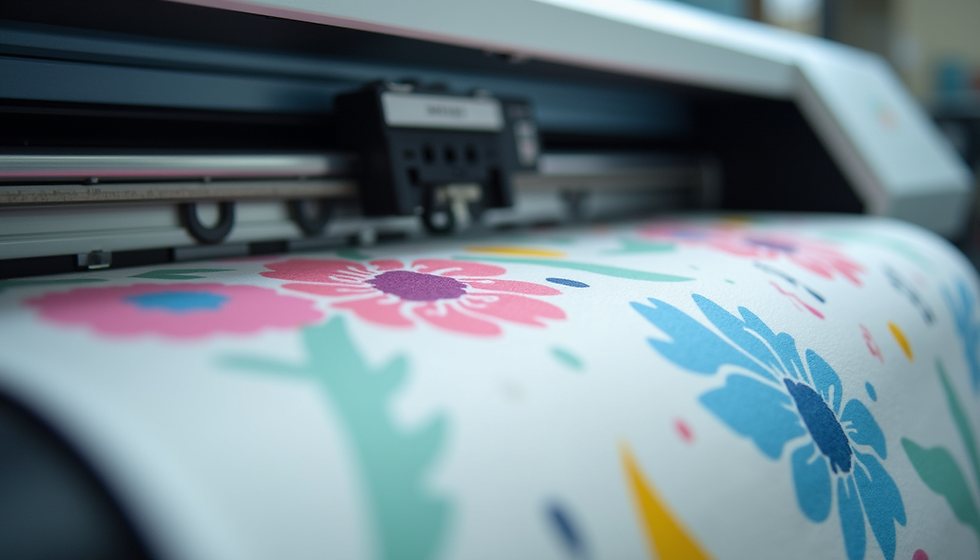
Digital printing technology has revolutionised fabric printing by allowing direct printing from a computer onto fabric. It uses inkjet printers adapted for textiles, enabling complex, multi-colour designs with photographic quality.
Advantages:
No need for screens or stencils.
Quick turnaround and easy customisation.
Suitable for small to medium runs.
Environmentally friendly with less water and ink waste.
Limitations:
Slightly higher cost per unit for large runs.
Works best on natural fibres or specially coated fabrics.
Digital printing is perfect for fashion designers and brands looking for custom, on-demand prints. It supports sustainable practices by reducing waste and energy consumption.
Sublimation Printing
Sublimation printing uses heat to transfer dye onto polyester or polymer-coated fabrics. The dye turns into gas and bonds with the fabric fibres, resulting in vibrant, long-lasting prints.
Advantages:
Produces bright, durable colours.
No feel or texture change on fabric.
Ideal for sportswear and polyester-based textiles.
Limitations:
Limited to polyester or synthetic fabrics.
Not suitable for cotton or natural fibres.
This method is popular for activewear, promotional items, and home textiles like cushions and upholstery.
Rotary Screen Printing
Rotary screen printing combines the principles of screen printing with rotary technology. Cylindrical screens rotate to apply continuous patterns on fabric rolls.
Advantages:
Efficient for large-scale production.
Good for repeating patterns and large volumes.
Consistent print quality.
Limitations:
High initial setup cost.
Less flexible for small or custom runs.
Rotary printing is often used in the home furnishing industry for bed linens, curtains, and upholstery fabrics.
Choosing the Right Fabric Printing Technology
Selecting the appropriate fabric printing technology depends on several factors:
Design Complexity: Digital printing suits intricate, multi-colour designs. Screen printing works well for simpler patterns.
Fabric Type: Sublimation is best for polyester, while screen and digital printing accommodate cotton and blends.
Order Size: Screen and rotary printing are cost-effective for large runs. Digital printing is ideal for small batches.
Sustainability Goals: Digital printing reduces water and chemical use, aligning with eco-friendly practices.
Budget and Timeline: Digital printing offers faster turnaround, while screen printing requires more setup time.
For example, a fashion designer creating limited-edition apparel might prefer digital printing for its flexibility and speed. Meanwhile, a home furnishing business producing large volumes of curtains may opt for rotary screen printing to reduce costs.
Innovations and Sustainability in Fabric Printing
The fabric printing industry is embracing innovations that improve quality and reduce environmental impact. Some notable trends include:
Waterless Printing Technologies: New digital printers use less water, reducing waste and pollution.
Eco-Friendly Inks: Use of biodegradable and non-toxic inks enhances sustainability.
Automation and AI: Automated colour matching and print quality control improve efficiency.
Recycled Fabrics: Printing on recycled textiles supports circular fashion.
Businesses aiming to lead in the textile market should consider these advancements. For instance, Soundarya Digital Fabric Prints focuses on sustainable practices while delivering high-quality custom prints in Bengaluru. This approach not only meets customer expectations but also supports environmental responsibility.

Practical Tips for Working with Fabric Printing Services
When collaborating with fabric printing providers, keep these tips in mind:
Provide Clear Design Files: Use high-resolution images and vector formats for best results.
Specify Fabric Type: Inform the printer about the fabric composition to choose the right printing method.
Request Samples: Always ask for fabric swatches or print samples before bulk production.
Discuss Colour Matching: Ensure the printer can match your brand colours accurately.
Understand Lead Times: Plan your production schedule considering setup and printing times.
Inquire About Sustainability: Choose partners who use eco-friendly inks and processes.
By following these guidelines, you can ensure your printed fabrics meet quality standards and align with your brand values.
Expanding Your Reach with Custom Fabric Printing
Custom fabric printing opens new opportunities for businesses in fashion, home décor, and events. It allows for unique branding, limited editions, and personalised products that stand out in the market.
To expand your reach:
Experiment with New Designs: Use digital printing to test trends without large investments.
Offer Customisation Options: Allow customers to personalise fabrics for a unique experience.
Collaborate with Local Printers: Partner with providers like Soundarya Digital Fabric Prints in Bengaluru to access quality services and sustainable solutions.
Promote Sustainability: Highlight eco-friendly printing practices to attract conscious consumers.
By integrating fabric printing technology into your business strategy, you can enhance product appeal and build stronger customer relationships.
Fabric printing technology is a powerful tool for creating vibrant, customised textiles. Understanding the different methods and their applications helps businesses make informed decisions. Whether you choose screen printing, digital printing, sublimation, or rotary printing, aligning your choice with your product needs and sustainability goals is essential. Embracing innovation and partnering with reliable providers will position your brand for success in the competitive textile market.


Comments